
Landscape photography is often seen as a neutral and objective practice, but in reality, it is deeply political. The images we create of the natural world reflect our values and our understanding of our place in it. They can also be used to promote certain agendas or to obscure others.
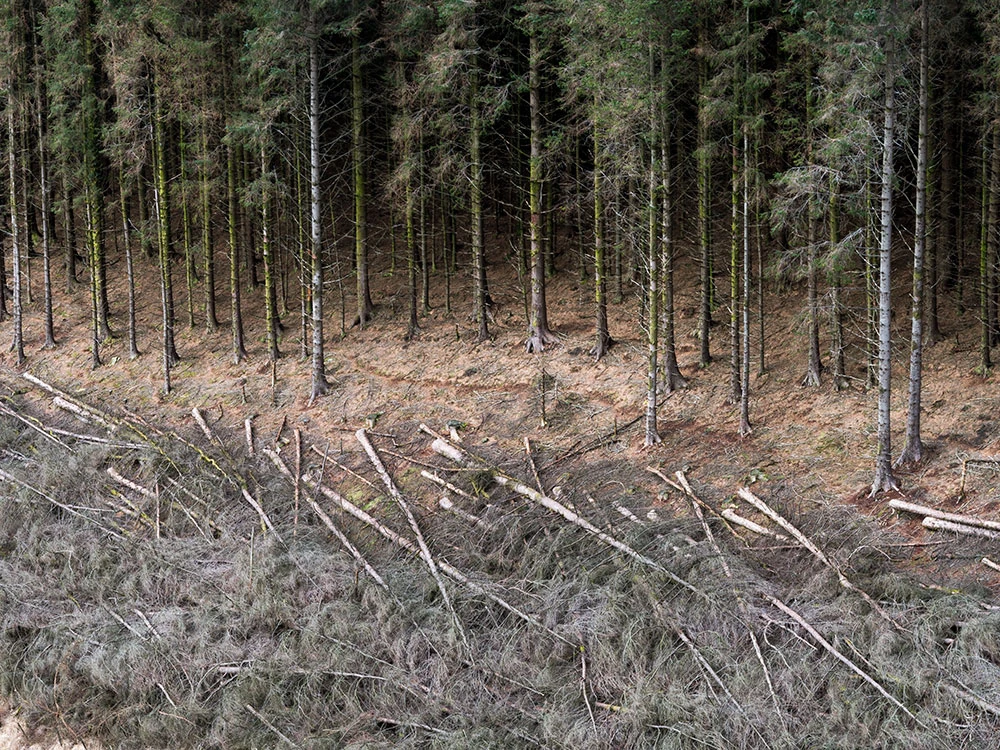
Here are a few examples of the ways in which landscape photography can be political:
- The choice of subject matter. What landscapes do we choose to photograph, and why? Do we focus on the picturesque and sublime, or do we also include images of polluted landscapes, industrial sites, and other areas that are often overlooked or ignored?
- The representation of people. How do we represent people in our landscape photographs? Are they simply part of the backdrop, or are they the central focus of the image? Do we show them interacting with the landscape in a positive or negative way?
- The use of language. The language we use to describe our landscape photographs can also be political. Do we use words that emphasise the beauty and grandeur of the natural world, or do we also use language that highlights the fragility of the environment and the threats it faces?
Landscape photography can also be used to promote specific agendas. For example, environmental groups often use landscape photography to raise awareness of environmental issues and to advocate for change. On the other hand, corporations may use landscape photography to market their products and services, or to greenwash their image.
It is important to be aware of the politics of landscape photography so that we can be more critical consumers of images and more thoughtful creators of our own. When looking at a landscape photograph, we should ask ourselves questions: What is the photographer trying to tell me? What is their perspective on the natural world? How does this image reflect the values of our society?
Please explore my website and to join me in a conversation about the multi faceted subject of landscape photography.